My Fair Lady was a musical film released in the 60s, directed by George Cukor, with Audrey Hepburn and Rex Harrison in the leading roles. It received good reviews and numerous awards, including the Oscar for best film.
Although in Spain the exhibition of films in its original version is gradually increasing, it was previously only possible to see the films in a dubbed version. In the case of musical films, such as My Fair Lady, the lyrics of the songs were also translated, which was sometimes a real challenge to get them to fit the original music. In order to maintain the metric or the rhythm, the translators needed to make small changes to the original lyrics. In the case of one of the songs of My Fair Lady, which in English was called “The rain in Spain”, the change was radical and became “La lluvia en Sevilla es una pura maravilla” (the rain in Seville is a pure marvel). The reason in this case was to fit the circumstances of the scene where the song was featured.
This scene was where the character of Eliza Doolittle had difficulties with the correct pronunciation of the letters “ai”, which in English sometimes adopts the sound [ei] and so the teacher uses the phrase “the rain in Spain stays mainly in the plain” as a speech exercise to help Eliza improve her pronunciation. The problem is that in Spanish in the phrase “the rain in Spain stays mainly in the plain” did not rhyme well and there was not much challenge as a speech exercise since those words are pronounced as they are written. Hence, and it did not have much logical argument to keep to the original lyrics. The writers therefore chose to refocus the sentence on the pronunciation of the double “l”, which not everyone pronounces in the same way.

It must be said that the problem with the phrase and the song was not only in the Spanish version. In the German version, the song changed to “Es grünt so grün wenn Spaniens Blüten blühen“, which means “The greenness is so green when the flowers bloom in Spain”. In Italian it was “La rana in Spagna gracida in campagna“, that would be “The frog in Spain croaks in the field”. However, none of these versions has been as successful as the Spanish one, where the phrase penetrated deep into popular culture and even today, more than 60 years after the premiere of the film, it is still common to hear it when a rainy day arrives in Seville.
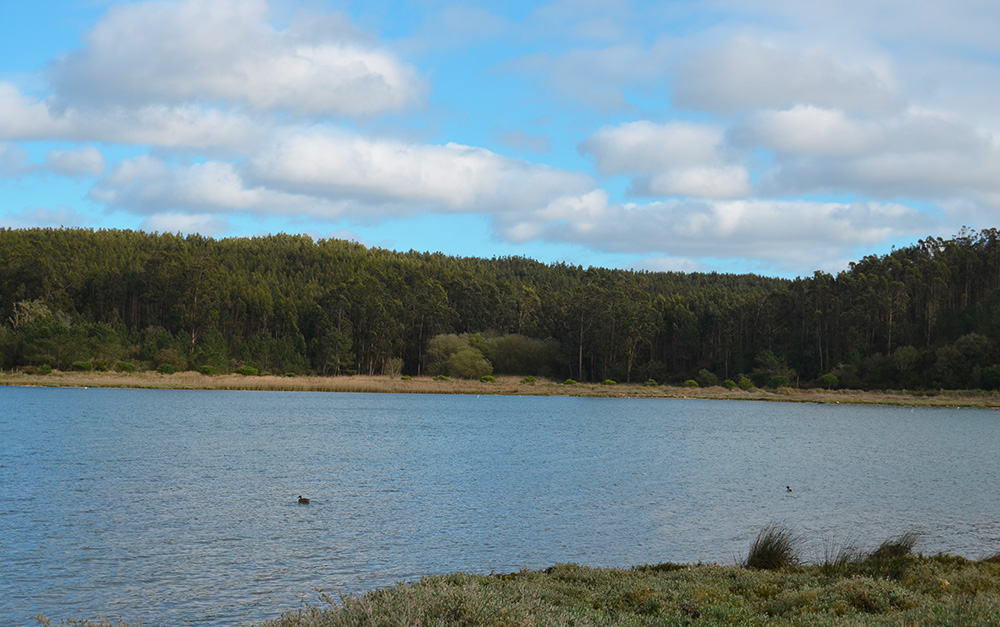
Well, paraphrasing this anecdote it could be said that “The rain in Portugal, can also be practical.” To begin with, because it is that rain that keeps the green landscapes so lush which is a characteristic attraction of the Portuguese geography. This is also what allows Portugal to be one of the leading countries in renewable energy, thanks to abundant hydroelectric power. On a more personal level, because it allows you to stay at home, light the fireplace and enjoy a quiet afternoon filled with the fragrance of a rainy day. Or even embark on a journey of discovering some places and activities less known by tourists which can guarantee a great afternoon of family fun.
We can start with one of the newest, the Quantum Park, in Lisbon, which offers one of Europe’s largest indoor surfaces of trampolines, climbing areas, skate ramps, and basketball courts.
Another classic for rainy days is the Oceanário de Lisboa, which in 2018 was chosen as the best aquarium in the world by Tripadvisor, and always offers plenty of quality and interesting activities for the whole family.
For those who are in the Oeste region and do not want to make it all the way to Lisbon, there are also closer plans which are equally enjoyable. The Bowling Caldas, next to the municipal sports area, offers bowling, games, karaoke and, sometimes, even live music. And in that same line, another interesting plan is the Indoor Karting Caldas da Rainha, which has a small but fun kart track, and an area with snooker and karaoke.
A different kind of excursion is to visit the grutas Mira de Aire, which are located a few kilometers from Fatima and constitute the largest group of caves in Portugal. At the time when its commercial exploitation began in the 70s, there was less sensitivity for the preservation of nature, and some people may think that the caves have too much human intervention. But the experience is still very interesting and the children love the adventurous element.
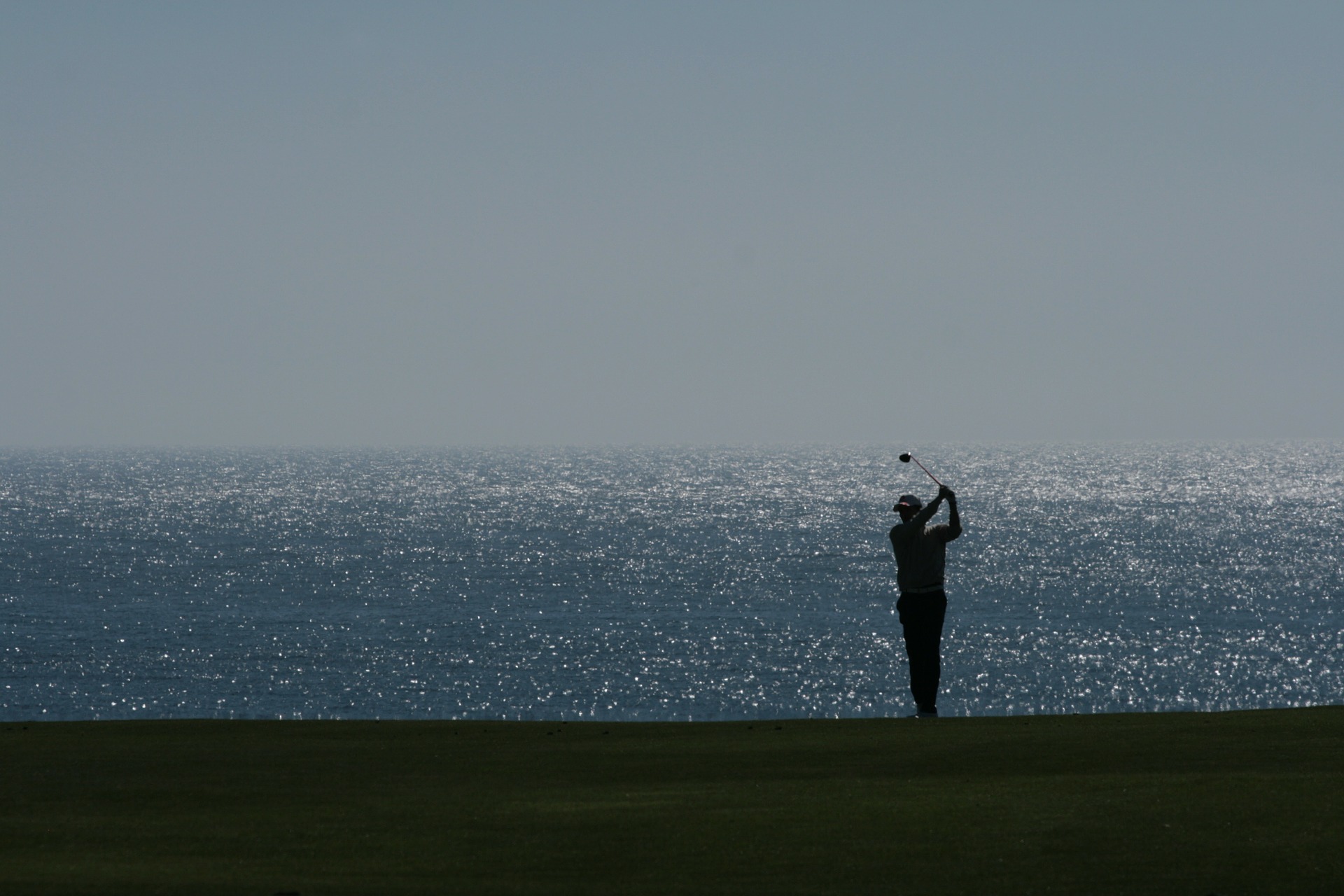
Then there is always surfing, which you can continue enjoying quite as much, as you end up more or less equally wet with rain or without it. And even golf; under the rain is a little less pleasant, but you can still play, and if you choose the links of Praia del Rey or West Cliffs, you can get into an experience very similar to what the inventors of this sport in the British Isles would have had in their time (and which the Ryder Cup contestants have had to face from time to time on the British courses).
And, to close as we started, one of our favorite plans is to go to the La Vie shopping center in Caldas, and see a good movie. Most of the films are in the original version, with subtitles in Portuguese. The restaurants in this shopping center share a food court, which allows everyone to choose what they want, for the whole family to find something to their liking and for the rainy afternoon to finish with very good grades.
We open the forum and welcome more ideas for rainy days.