

Nave Lagoa

5 tips to enjoy Easter in the Oeste region of Portugal

1. Processions in Óbidos

Óbidos receives thousands of visitors all year round but at Easter the usual festive atmosphere stops for a couple of hours to solemnly welcome its main procession, the Burial of the Lord, which is celebrated on Good Friday night and is followed with devotion by many people dressed in costumes of the time. http://www.semanasantaobidos.pt/

2. Folar de Páscoa

In all the central area of the country, one of the most typical traditions at Easter is to eat the Folar de Páscoa, a sweet bread made with flour, eggs, sugar, and cinnamon. The Folar can be decorated also with hard-boiled eggs and is sometimes also eaten with cheese, ham, and a glass of wine. If you haven’t tried it yet, we especially like the one they prepare at the Atelier do Doce, between Caldas da Rainha and Alcobaça, which has received numerous awards. https://atelierdodoce.pt/produto/folar-de-bronze/

3. The waves of Peniche

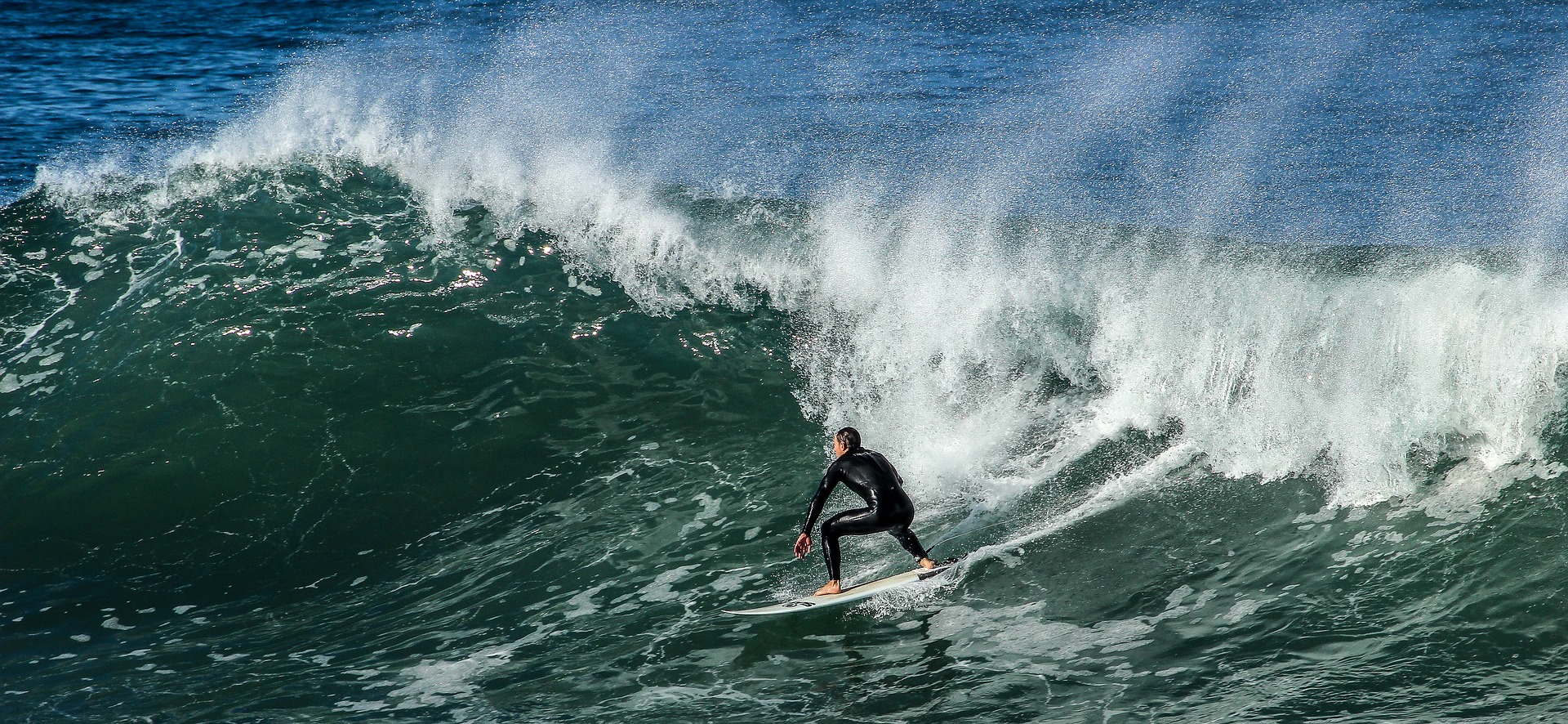
Although there are more and more brave people who also dare to ride the waves during the winter, Easter traditionally marks the beginning of the surf season on the beaches of Peniche. The temperatures, both outside and in the water, are beginning to become more pleasant and thousands of surfers start or resume their passion for the waves.

Surf in Peniche

4. Flamingos in the Lagoa

The end of winter also normally marks the time when the wetlands are at their peak and it is easy to see some of the flamingo families that nest in the lagoa de Óbidos during the winter season.

Flamingos in the Lagoa de Óbidos

5. Sardoal

We end with a suggestion that is not geographically within the Oeste region but is very close, and it is perfect for a day trip. Sardoal is a small town on the A23, near Abrantes, with deep religious traditions. During the procession of the Bonfires, public lighting is turned off and there is only light from torches and hundreds of small lamps that are placed in the windows and balconies of the houses. The churches are decorated with carpets of flowers and in the Main Church they put also wheat germinated in the dark, which gives it a particular yellow tone.http://www.cm-sardoal.pt/images/CMS/SemanaSanta2023/cartaz_semana_santa_2023_final.jpg
Study and surf?? In Portugal, yes, we can!

A couple of semesters ago, a new university campus opened in the city of Carcavelos, on the coast between Lisbon and Cascais, offering several studies on business administration. They call it the Nova Way of Life. Its main difference to traditional universities is that the campus, or center as they like to refer it, seeks to merge economic studies with beach culture and new technologies, in the style of some Californian centers.

With the collaboration of leading companies such as Microsoft, Cisco and Axians, the idea is to get a very open center, with Wi-Fi throughout the space and even at the adjoining beach, to make it easier for students to make the most of new technologies at all times. For example, there is an ultra-modern Pingo Doce supermarket where students can buy items 24/7 and there are no cashiers, with users instead paying only by electronic means.

We will still have to wait a while to see how this new concept works but the Portuguese environment is certainly welcoming for the set-up of tech and innovative ventures, as the constant announcement of new openings is showing (Amazon, Google, Mercedes Benz and many more, as described in this article). But whatever the result of the new Carcavelos center, it is an interesting example for other Portuguese universities, which could take advantage of the proximity to the sea and the obvious connection between youth and surfing, to internationalize the offer and attract many more European and global students.

In Peniche, very close to the Cape Carvoeiro lighthouse, is located the Campus 4 of the Polytechnic University of Leiria, with an educational offer focused on marine biotechnology, food and bio-engineering and studies related to gastronomy and tourism management. It is not difficult to imagine that some of these classes or after-school activities could well take place on the beaches of Supertubos or Baleal, just 10 minutes from the campus. A relaxed environment and proximity to the sea provide countless advantages for physical well-being and intellectual stimulation.

The same could also apply to the campuses of Marinha Grande and Caldas da Rainha, which also have great bike lanes to reach the sea, making it easy for students who want to move around the area by bicycle. E-bikes are becoming a revolution in mobility and are the preferred mode of transportation for students, who value above all their sustainability, flexibility and low costs. Bearing in mind that European higher education students increasingly seek to complete their studies with some international experience, the Universities in Portugal should try to offer distinctive elements that make them stand out, be different and attractive, because it is proven that greater international diversity in classrooms is a factor that enriches and increases the quality and prestige of the center. Can there be something more attractive for young people from northern Europe, tired of cold days with little sunlight, than to study in shorts on the sunny and pristine sandy beaches of Portugal?